Why? The rationale
Coastal marine ectotherms live in a world of shifting oxygen, temperature, and pH—often predictable, sometimes stochastic. Yet most studies overlook how organisms sense and respond to these fluctuations. My research explores how oxygen predictability shapes the plasticity and resilience of a keystone species: Necora puber.
Highlights
Research
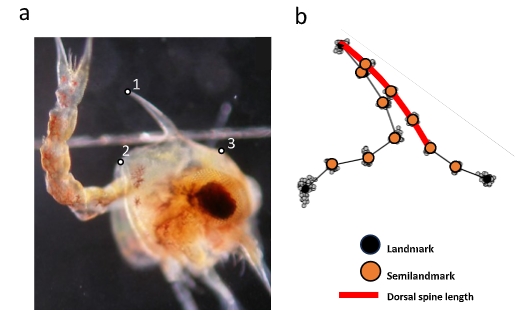
Natural and anthropogenic-induced changes in sea surface temperature (SST) affect all marine organisms, including the critical larval stages of coastal invertebrate species. Changes in sea surface temperature affect larval stages that must respond to these changes behaviourally, physiologically and, in some cases, alter morphological traits. Here, we evaluated the effects of rearing temperature on starvation-survival, swimming performance and morphology of zoea 1 larvae of the kelp crab (Taliepus dentatus).

Projects
The role of oxygen predictability in the phenotypic plasticity of Necora puber (supported by Beca Chile 2024)